- Published on
The Influence Game: Using SD Art Styles to Stand Out Online
- Authors

- Name
- Albert Alam
The Influence Game: Using SD Art Styles to Stand Out Online
Let’s be real: the internet is a noisy place. You scroll through endless feeds — memes, ads, vacation selfies, AI cats in space suits. To stand out, you don’t just need content, you need style. And that’s where Stable Diffusion (SD) steps in like a secret weapon.
Style as a Branding Tool
Here’s a truth I learned the hard way: a good image can get attention, but a consistent style builds recognition.
Think about it. If you always post dreamy, pastel-colored art, people start connecting you with that vibe. If you lean into gritty cyberpunk, suddenly your feed looks like the future. SD makes it easy to test these identities without hiring a whole team of designers.
The First Time I Noticed “Style Power”
A friend once sent me two AI images he made:
- The first was a generic fantasy dragon.
- The second? Same dragon, but in the retro 80s synthwave poster style.
Guess which one got shared in three Discord servers overnight?
It wasn’t about the dragon. It was about the style resonance with the right community.
That’s when I realized: style is influence currency.
Audience Psychology: What They See First
People don’t analyze art like critics. They react fast. Colors, shapes, and vibes hit before the brain processes the details. That’s why picking the right style is like choosing the right outfit for a party:
- Futuristic neon → tech crowd clicks faster.
- Hand-drawn sketchy vibe → artsy people lean in.
- Oil painting realism → traditionalists respect it more.
You don’t need to please everyone. You just need to signal to your tribe.

How I Use SD in My Workflow
I’ll be honest: I don’t always generate the “perfect” image. Instead, I treat SD as a style laboratory. Here’s my process:
- Pick a theme: say, “coffee.”
- Test styles: watercolor café scene, cyberpunk coffee shop, cartoon latte art.
- Check reactions: post samples to socials, see what sparks comments.
- Double down: whichever style gets engagement, I turn into a series.
It’s part art, part marketing experiment.
The Power of Unexpected Styles
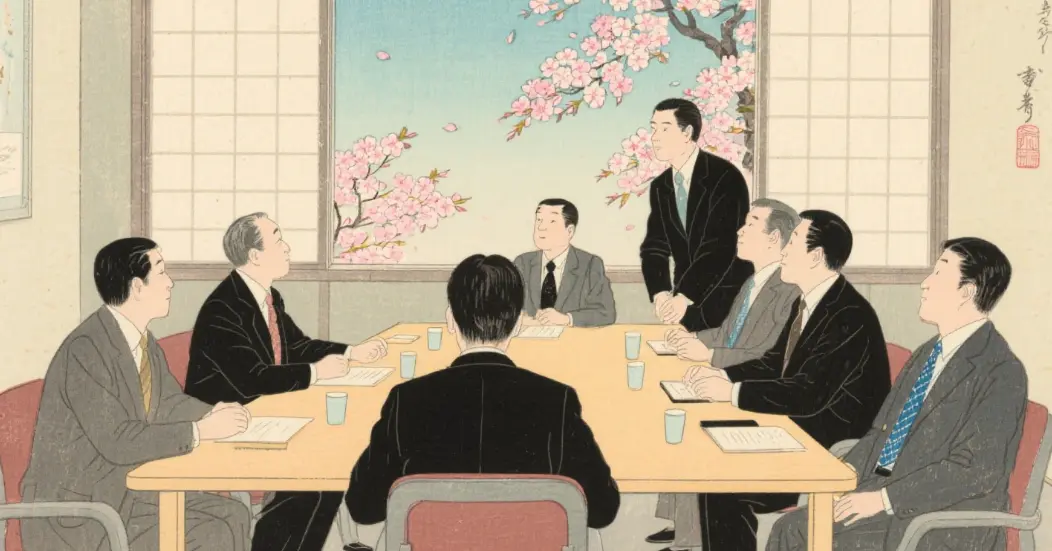
Here’s a funny one: I once typed “boardroom meeting in ukiyo-e Japanese style.” The results? Executives in kimonos debating quarterly profits under cherry blossoms. It was ridiculous… but people loved it.
Turns out, unexpected style fusion is a magnet for shares. It’s like remix culture but with visuals.
Tips to Maximize SD Art Styles for Influence
Anchor in One Core Style
Build recognition by sticking to one main aesthetic.Play with Contrasts
Mix two very different styles. That tension catches the eye.Follow Online Trends
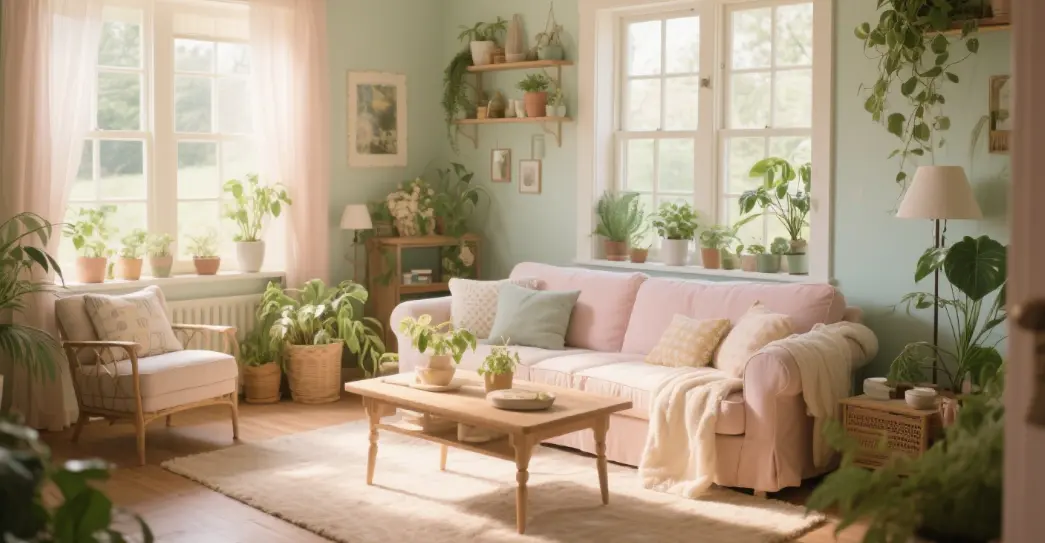
If “cottagecore” is trending, prompt SD with it. Ride the wave.Batch Your Creations
Generate 10–20 images in one style. Consistency makes your page look curated.Tell Stories With Styles
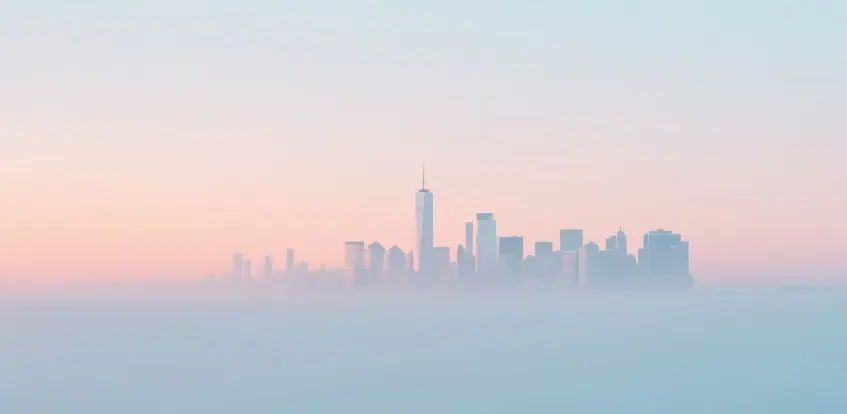
Don’t just drop random art. Narrate a journey: “What if New York became a watercolor fantasy world?”
Wrapping It Up
Stable Diffusion isn’t just an art toy — it’s a style amplifier. The real trick isn’t asking it to “make the perfect portrait” but asking: what style speaks to my people, and how can I use it to shape my digital identity?
Once you start thinking of styles as strategies, you’ll notice your images stop being “pretty pictures” and start becoming visual signals of influence.
And trust me — when the likes, shares, and “how did you make this?” comments roll in, you’ll realize SD is more than software. It’s a megaphone for your creative voice.