- Published on
Practical Applications of SD Art Styles in Daily Life and Work
- Authors
- Name
- Albert Alam
Practical Applications of SD Art Styles in Daily Life and Work
When I first started with Stable Diffusion (SD), I treated it like a toy. Cool dragons, neon cities, trippy abstract stuff. Fun? Yes. Useful? I wasn’t so sure. But after a while, I realized: these styles could actually do work for me — in branding, content creation, and even teaching.
Today, I want to share a few real-world applications of SD art styles that have made my life easier, my posts more eye-catching, and my projects more professional.
Application #1: Personal Branding
Your online presence is like your digital handshake. Consistent style makes you memorable.
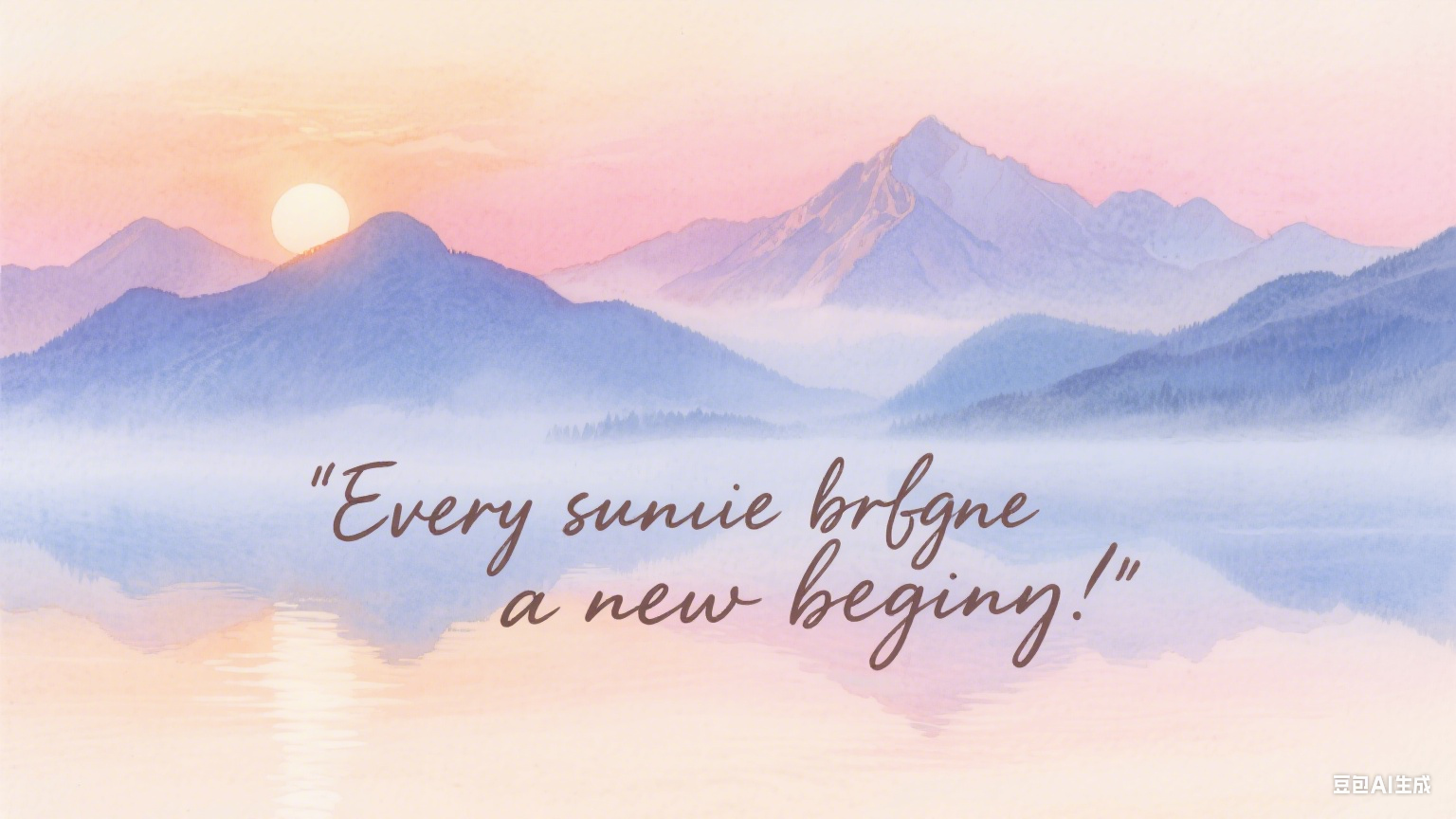
I once ran a small side project where I shared motivational quotes. At first, I just posted plain text. Nobody cared. Then I paired the quotes with watercolor backgrounds generated in SD. Suddenly, the posts looked elegant, and engagement tripled.
👉 Lesson: a strong style aesthetic = stronger identity.
Application #2: Blog and Social Media Content
I’m a blogger, and let’s be honest: walls of text don’t perform well on social media. So now, before I publish an article, I generate visual hooks with SD.
- Writing about productivity? → Minimalist vector-style graphics.
- Writing about creativity? → Surreal dreamlike art.
- Writing about tech? → Cyberpunk or futuristic illustrations.
These images grab attention and give my posts a “designed” feel, even though I’m not a professional designer.
Application #3: Teaching and Learning
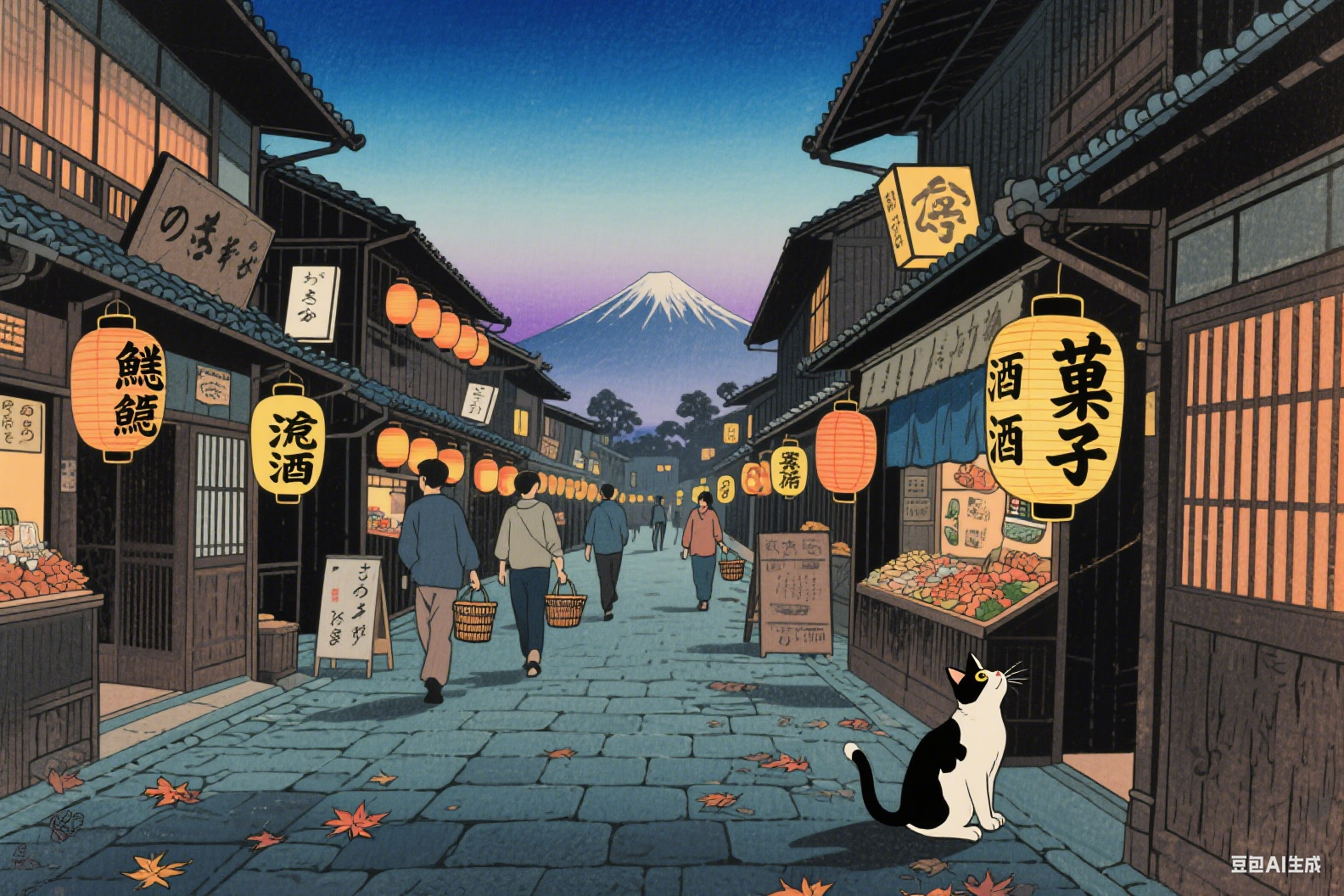
I once gave a workshop about Japanese history. Instead of showing boring textbook photos, I asked SD to generate scenes in ukiyo-e style — samurai in battle, merchants in marketplaces, landscapes with cherry blossoms.
The students leaned forward. They weren’t just learning history; they were seeing it in new ways.
👉 Application: use SD styles as an educational storytelling tool.
Application #4: Business Presentations
Okay, confession: I hate boring PowerPoints. But with SD, I can generate custom visuals that make my slides stand out.
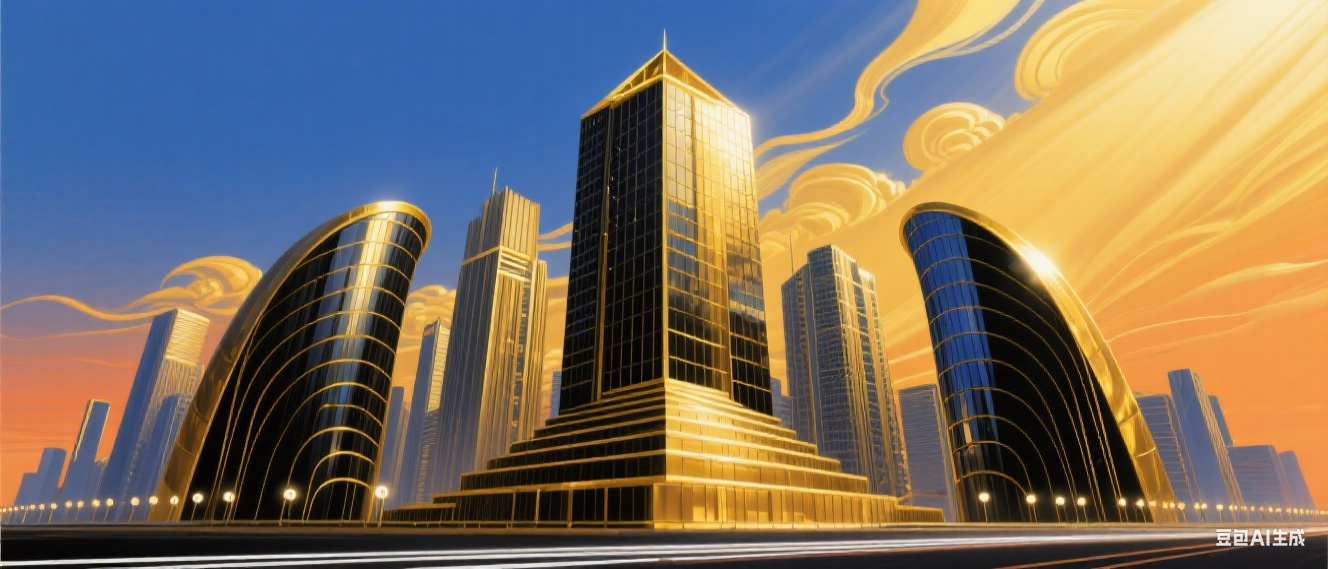
For a pitch about “future cities,” I used futuristic art-deco skyscraper illustrations. Instead of stock photos, I had one-of-a-kind images. The audience noticed.
👉 Application: impress clients or colleagues with unique, style-driven presentations.
Application #5: Storytelling & Worldbuilding
As someone who dabbles in fiction, SD is my sketchbook. When I imagine a world, I prompt it in different styles:
- Noir detective story → black-and-white film grain style.
- Sci-fi epic → cinematic sci-fi poster style.
- Children’s fantasy → pastel storybook style.
Seeing the same characters or settings in different styles helps me refine the mood. It’s like auditioning visuals until I find the right one.
Application #6: Marketing & Ads
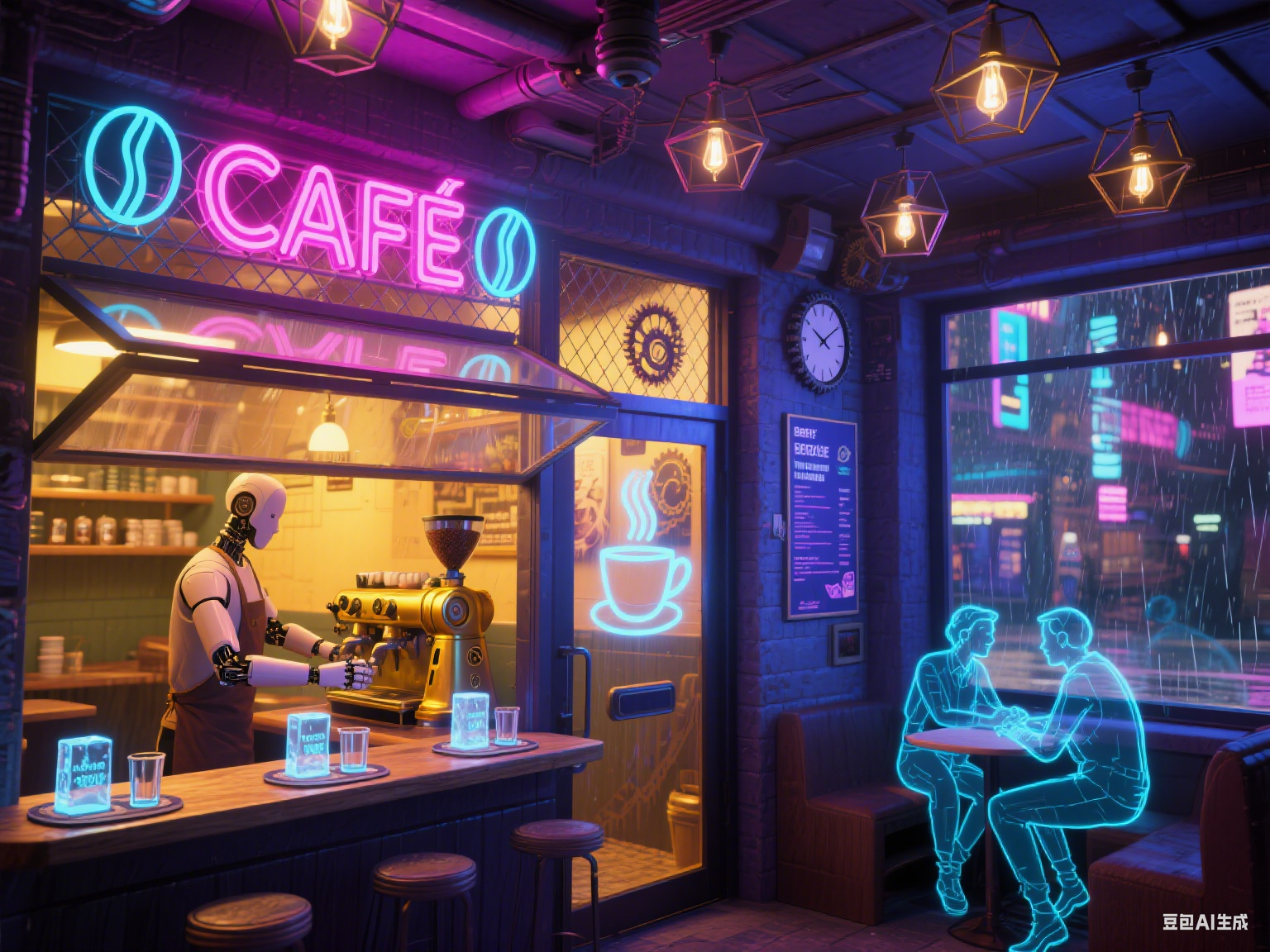
I helped a friend run a small coffee shop campaign. Instead of paying for a photoshoot, we used SD to make stylized coffee art posters: watercolor mornings, cyberpunk late-night cafés, retro diner vibes. Customers loved them.
👉 Takeaway: SD can stretch a small marketing budget a long way.
Application #7: Event & Community Building
In one online community I manage, we started weekly “style challenges.” Each week, members used SD to create something in a specific style — pixel art, retro 90s anime, brutalist posters. Participation skyrocketed because styles made the challenge fun, accessible, and visually rewarding.
Wrapping Up
Stable Diffusion art styles aren’t just a playground for creativity — they’re practical tools. I’ve used them to build brands, spice up lessons, make business slides pop, and even bring communities together.
The trick is simple: stop thinking of SD as a random art generator and start seeing it as a style engine you can apply to almost any project.
And the best part? Every application still feels playful. Work doesn’t have to look boring when your toolkit includes a machine that can paint in any style imaginable.