- Published on
Sketch to Masterpiece: Harnessing Stable Diffusion for Stunning Visuals
- Authors

- Name
- Albert Alam
- Name
- Sparrow Hawk
- @sparrowhawk
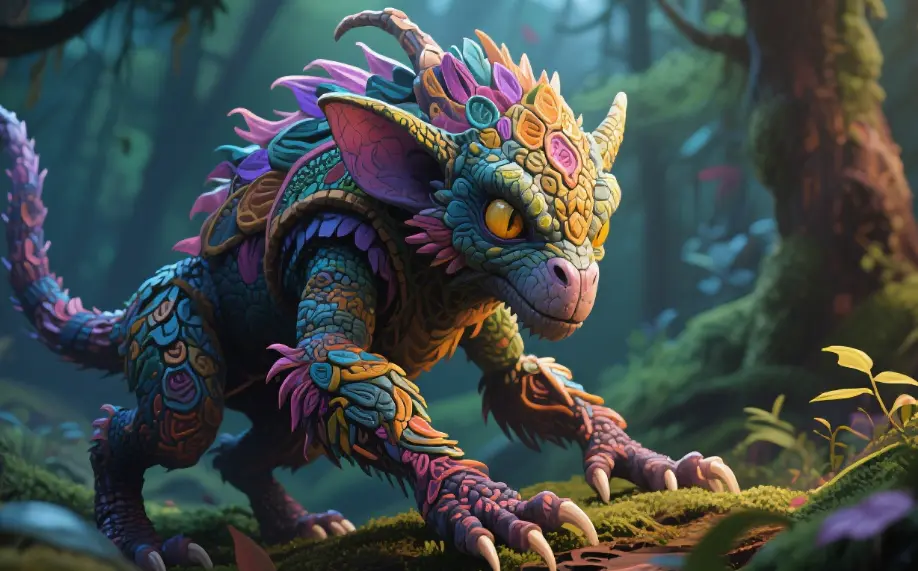
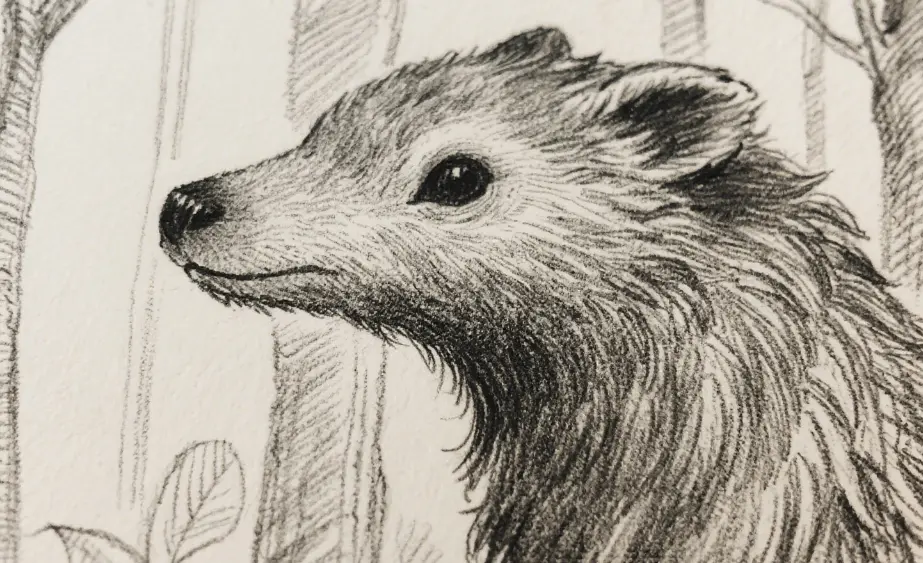
Turning a rough sketch into a visually rich image can feel like alchemy, especially with tools like Stable Diffusion. I still remember the first time I tried it—I had a tiny pencil sketch of a mysterious forest creature and decided to see how far AI could take it. The outcome was both surprising and inspiring.

The magic of Stable Diffusion is in its interpretation. It takes your basic lines and adds textures, lighting, and atmosphere. Unlike simple filters, it can respect the proportions of your sketch while creatively enhancing it. For artists or social media creators, this means you can generate content faster and experiment with multiple styles without starting from scratch every time.
I learned quickly that the more intention you put into your sketch, the better the result. Even tiny details—a claw, a leaf, the tilt of an ear—give the AI clues about your vision. It’s like giving a co-creator breadcrumbs to follow; neglecting small hints can lead to outcomes that miss your original idea.
Prompting effectively is equally essential. Instead of just saying “forest creature,” I used: “mystical forest creature with glowing eyes, moss-covered skin, twilight light filtering through trees.” The difference was night and day. Stable Diffusion can struggle with overly vague prompts or extremely complex scenes, but iterating with small tweaks often yields impressive results.
One of my favorite experiments involved a sketch of a steampunk airship. I wrote prompts emphasizing metallic textures, steam clouds, and a sunset skyline. Watching the AI translate my rough lines into a bustling, dynamic scene felt like being part of a creative duo. It also reminded me that part of the fun is seeing unexpected elements emerge—AI sometimes adds surprises that enhance the story rather than distract from it.

From a growth and traffic perspective, showcasing the sketch-to-AI transformation is highly effective. Audiences love seeing process content—it’s relatable and educational. I posted a side-by-side comparison of the sketch and final image on social media, and engagement jumped noticeably. People are fascinated by the transformation, and adding commentary about your creative choices makes it even more engaging.
Here are some practical tips I follow for leveraging Stable Diffusion with sketches:
- Keep sketches clear and intentional. Even minimal sketches benefit from clean lines that communicate shape.
- Craft detailed prompts. Include style, texture, lighting, and mood for precise AI interpretation.
- Iterate in small steps. Minor changes to wording or emphasis can dramatically affect results.
- Refine outputs with personal edits. Combining AI results with digital or traditional editing creates a polished final piece.
- Document and share the process. People respond to transparency—it builds trust and engagement.
Stable Diffusion amplifies creativity but doesn’t replace it. The AI acts like a collaborator, expanding your imagination and turning simple ideas into visually compelling stories. My favorite part is watching a plain sketch transform into something rich, textured, and shareable—it’s a constant reminder that technology can enhance, rather than diminish, the human creative spark.
In summary, whether you’re an artist, designer, or content creator, Stable Diffusion allows you to turn sketches into masterpieces efficiently. With thoughtful prompts, careful sketching, and iterative refinement, you can produce images that captivate your audience and elevate your creative presence.