- Published on
My Go-To Tricks for Mastering SD Art Styles
- Authors
- Name
- Albert Alam
My Go-To Tricks for Mastering SD Art Styles
Stable Diffusion (SD) is like a genie that listens to prompts instead of wishes. But here’s the twist: the genie is moody, sometimes stubborn, and loves to surprise you. Over the past year, I’ve been playing with SD almost daily, and I’ve discovered some tricks that make a huge difference when it comes to generating art styles that actually get noticed.
I’m not promising “perfect results every time,” but I can show you what’s worked for me — and what’s made my followers say: “Whoa, how did you make that?”
Trick #1: Think in Style Layers
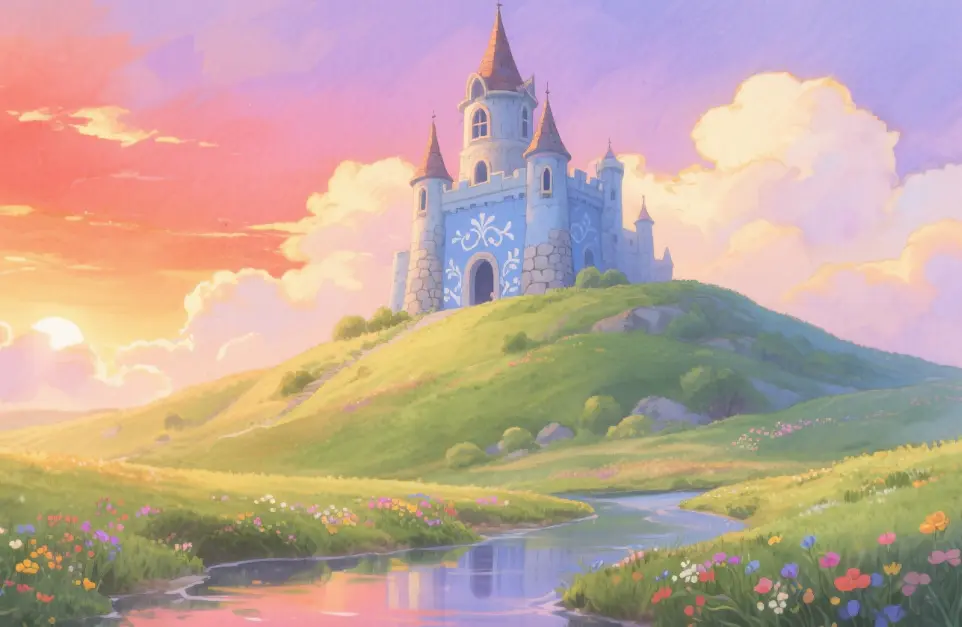
The first mistake I made? Writing plain prompts. Something like: “A castle on a hill.” Result: generic, boring, forgettable.
Then I learned to layer styles, like building a sandwich:
“A castle on a hill, Studio Ghibli style, soft watercolor, glowing sunset, cinematic lighting.”
Suddenly the castle looked like a scene from a film I wanted to live in.
👉 My personal rule: at least three style descriptors per image. It keeps things rich and specific.
Trick #2: Play With Contrast
Sometimes the best results come from mashing together opposites. One time, I asked for:
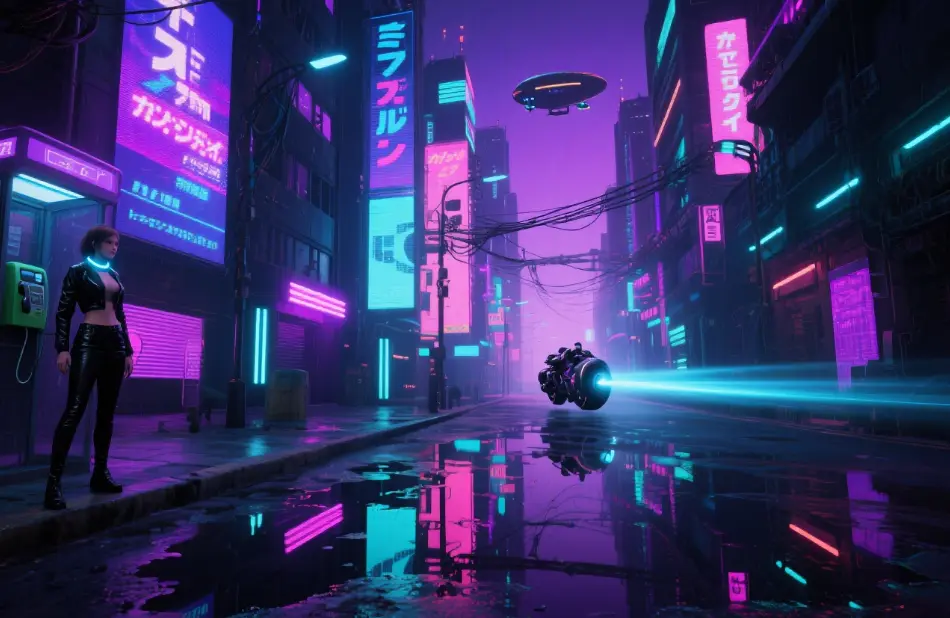
“Cyberpunk monk meditating in impressionist oil painting style.”
It sounded ridiculous, but it worked — neon lights and thick brushstrokes fused into something fresh. People loved it because it wasn’t predictable.
👉 Lesson: don’t just copy what everyone else is prompting. Add tension.
Trick #3: My Shortcut for Consistency
When I wanted to build a “series look” for my social feed, I struggled at first. Images felt disconnected. Then I realized the trick was to always repeat one anchor style in every prompt.
For me, it was “cinematic lighting.” No matter the subject, that phrase glued everything together.
👉 If you want brand recognition, pick one anchor and keep repeating it. It’s like your signature.
Trick #4: Keep the Weird Ones
Here’s something funny: some of my “worst” outputs ended up going the most viral.
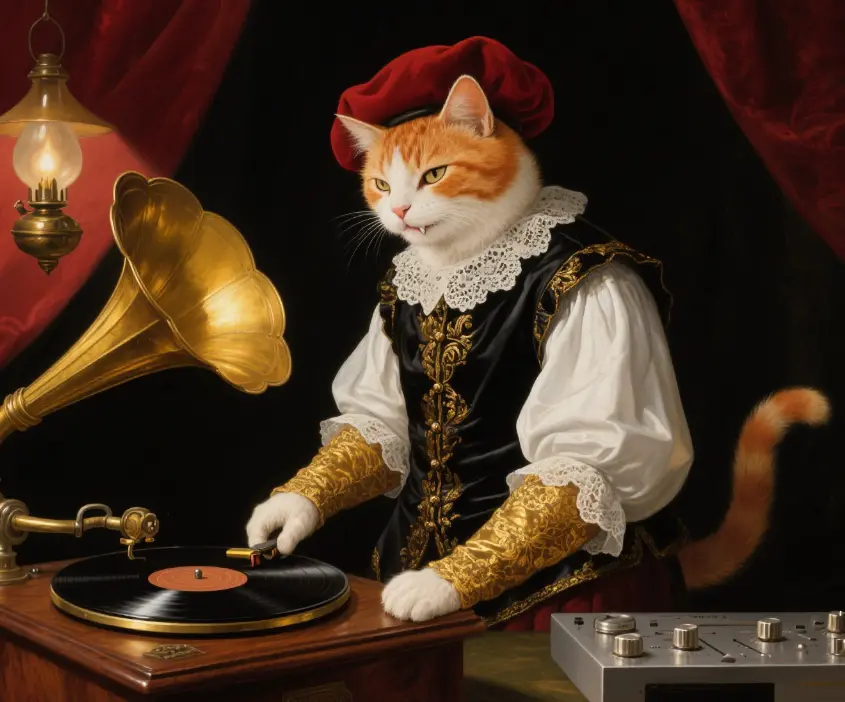
Example: I tried “Renaissance painting of a cat DJ.” The anatomy was all wrong, the turntable looked like bread, but my friends thought it was hilarious. I posted it, and… it exploded.
👉 Moral: don’t delete your weird results — they might be meme gold.
Trick #5: Small Words, Big Difference
I used to write long prompts like I was explaining to an art professor. But I found out single words can be magic keys. For example:
- Adding “analog” makes things warmer and less digital.
- Adding “dramatic” boosts shadows and depth.
- Adding “storybook” softens everything like a children’s illustration.
👉 Tip: experiment with one-word changes. Sometimes one adjective is worth more than ten.
Trick #6: Ask Yourself “Who’s This For?”
This is less technical and more strategic. Whenever I make images now, I pause and ask: Who do I want to react to this?
- If it’s for gamers, I lean into cyberpunk, sci-fi, fantasy epic vibes.
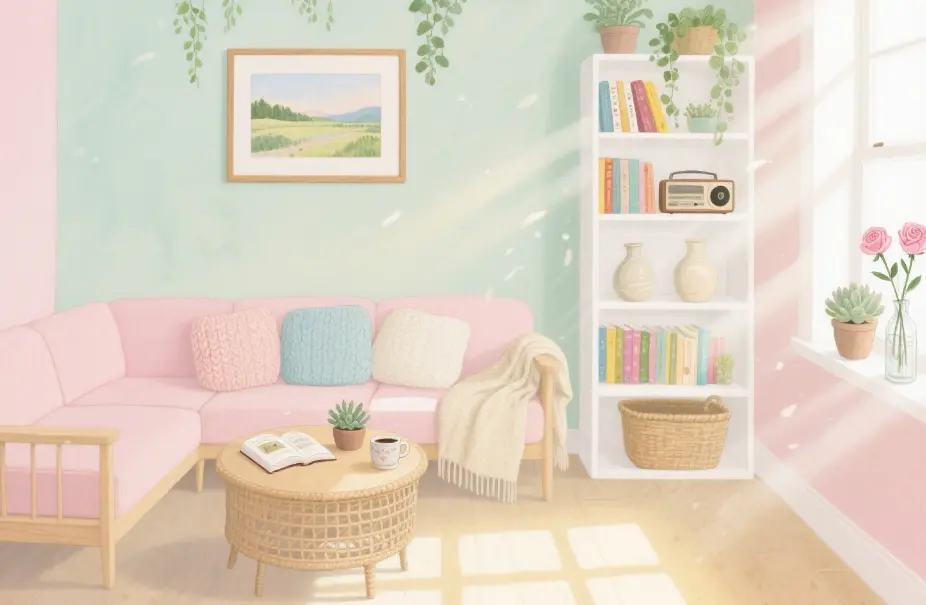
- If it’s for lifestyle fans, I go with watercolor, cozy interiors, pastel tones.
- If it’s for entrepreneurs, I generate sharp infographics or modern vector-style graphics.
👉 Your audience decides the style, not your mood.
Final Thoughts
Stable Diffusion isn’t just about “making cool images.” For me, it’s about using style as a tool of communication. Each art style is a signal — a vibe that instantly connects with certain groups of people.
The real fun is mixing the personal with the strategic: my own curiosity + the audience’s taste. That’s where influence grows.
And if you ask me? The best part is still those moments when SD throws something unexpected on my screen. That’s when I lean back, laugh, and think: Okay, genie, you got me this time.